Emergency HVAC: What to Do Before Help Arrives
Published: 2026-04-14 · By TempGuard Heating and Cooling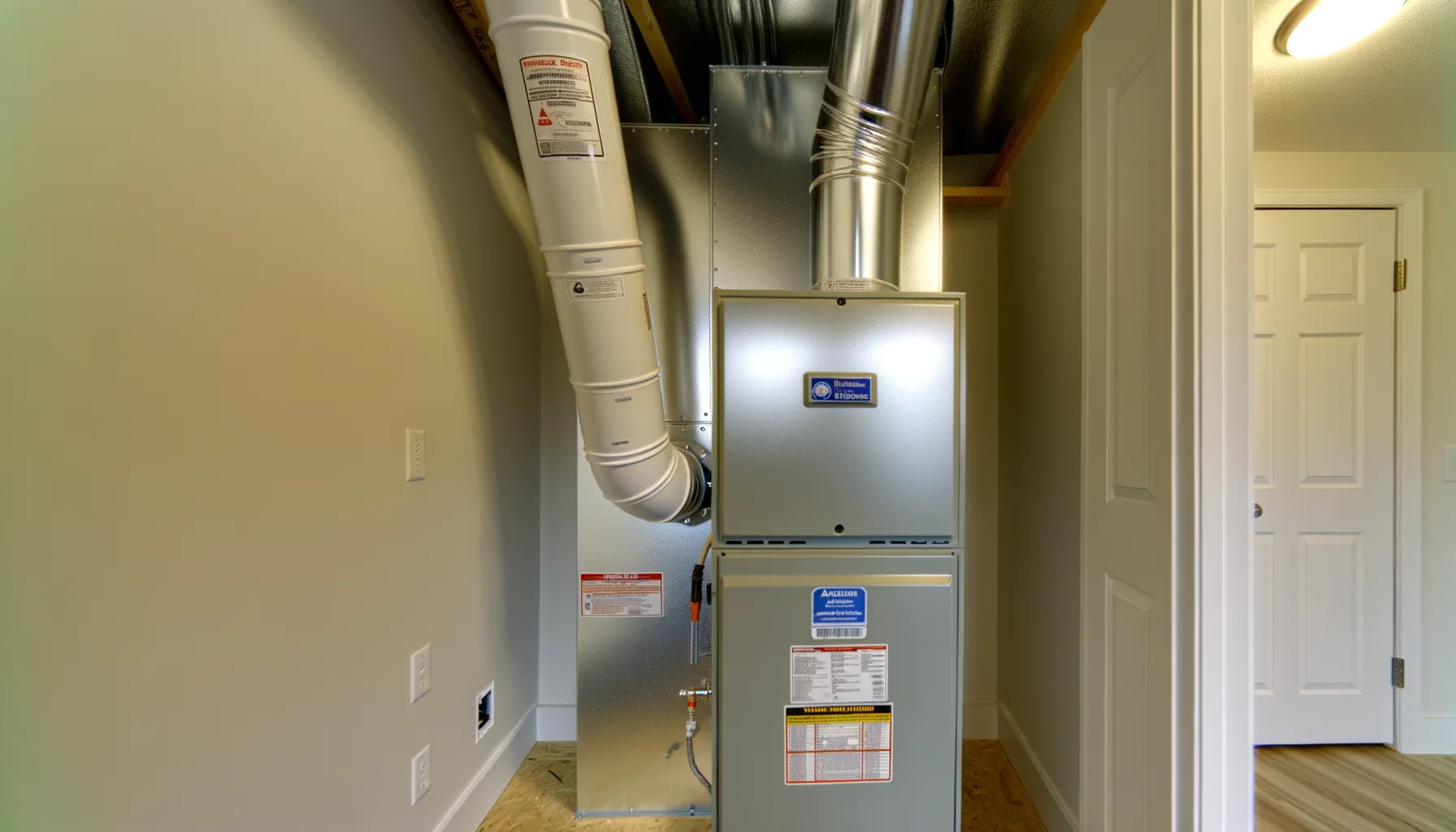
Imagine it’s the peak of a frigid Indiana winter, and your heating system suddenly fails. As the temperatures plunge, the air in your home becomes biting cold. For residents of New Palestine, such an event isn’t just inconvenient; it can lead to costly repairs and even hazardous living conditions. Proper steps can make a difference while you wait for professional assistance to arrive. Recognizing how to respond in an emergency HVAC situation is crucial and can save you both time and money.
Why This Matters for New Palestine Homeowners
Your HVAC system works tirelessly to regulate the indoor climate, especially during Indiana's diverse seasonal changes. However, unexpected breakdowns can occur when you least anticipate them, affecting your comfort and potentially endangering your home.
In New Palestine, where temperatures can swing dramatically from icy winters to sweltering summers, preparing for HVAC emergencies is essential. Failing to act swiftly may lead to frozen pipes in winter or heat-related artifacts during summer. If these conditions arise, it’s vital to know how to manage them during the waiting period after calling for help.
Even in a small community like New Palestine, HVAC issues can escalate quickly. A breakdown in the summer can lead to heat exhaustion risks for vulnerable family members and pets as indoor temperatures soar. Conversely, within those cold winter months, prolonged furnace issues can result in a myriad of problems.
Expert Solutions & Actionable Tips
1. Know Your System
Familiarize yourself with the type and model of your HVAC system. Consult your user manual or look up specifications online. Understanding your system will help you communicate more effectively with a technician and know what issues are typical versus what may require professional intervention.
Each system has different quirks and requirements, especially during seasonal transitions when maintenance needs can drastically shift.
2. Shut Down Power Safely
When an emergency arises, the first step is to ensure your system’s safety. Locate the power switch to your HVAC unit and safely turn it off to prevent potential short circuits or electrical hazards. This step is crucial to protect both your home and any HVAC professionals who may need to intervene.
Typically, this power switch can be found alongside the furnace or air conditioning unit, depending on your configuration.
3. Assess the Situation
Try to identify any obvious issues, such as leaks or strange noises. Note these observations to share with your technician. A well-documented issue can expedite their diagnostic process, allowing for quicker solutions.
Understanding the symptoms can even save you money by clarifying the problem right from the start.
4. Use Emergency Heat Sources Wisely
In extreme cold, utilize safe, portable heating sources like space heaters, but take care to follow safety instructions to avoid fire hazards. Ensure adequate ventilation and maintain distance from flammable materials while using these devices. Using emergency heating measures properly helps ensure your safety until the HVAC professionals from TempGuard Heating and Cooling can arrive.
Plan to monitor temperatures regularly, especially for the safety of children and the elderly present in your home.
5. Prepare for Help's Arrival
As you await your HVAC technician, organize the area around your heating or cooling unit. Clear any furniture or objects obstructing access, which can lead to delays in repairs and increased costs.
A clear workspace allows technicians to assess and rectify issues promptly, enhancing overall efficiency.
6. Document Everything
Keep a record of your thermostat settings, odd sounds, or any irregular behavior your HVAC system exhibits. Documenting these details will help your technician better understand the situation. This proactive approach can often lead to faster diagnosis and resolve ongoing misconfigurations.
Your HVAC technician can better craft a solution that prevents future breakdowns with this detailed history.
New Palestine Climate & Local Context
New Palestine’s variable climate plays a critical role in HVAC functionality. With long, harsh winters and hot, humid summers, homeowners must ensure their systems are prepared for each season. This preparation often involves seasonal maintenance check-ups to address potential issues before they become emergencies.
Additionally, local building regulations sometimes require specific permits when installing or replacing HVAC systems. Familiarity with these codes can save homeowners from fines and further complications.
Understanding local climate codes is essential for ensuring your system meets performance standards and operates efficiently, particularly during extreme weather conditions typical for the region.
When to Call a Professional
While some HVAC tasks can be handled by the homeowner, others should always be left to professionals. Knowing when to call in experts is crucial for maintaining safety and efficacy. Tasks like changing filters, clearing debris from outdoor units, and adjusting thermostats are suitable for DIY enthusiasts. However, situations such as fuel leaks, faulty wiring, or gas line issues require professional intervention.
- Gas smell near the heater
- Persistent system cycling
- Inexplicable increases in utility bills
- Unusual sounds emanating from the unit
- Inadequate heating or cooling performance
If any of these issues arise, do not hesitate to reach out to a trained professional like TempGuard Heating and Cooling.
Frequently Asked Questions
What should I do if my HVAC system stops working during a heatwave?
In the event of HVAC failure during a heatwave, turn off the system to prevent further damage and use fans or portable air conditioning units if available. Keep blinds closed to minimize indoor heat.
How often should I schedule HVAC maintenance in New Palestine?
It's advisable to have your HVAC system serviced twice a year, ideally in the spring and fall, to ensure it's prepared for the seasonal temperature shifts.
What are common issues that lead to HVAC emergencies?
Common culprits include neglected maintenance, blocked vents, and electrical failures. Often, homeowners can prevent these emergencies with regular inspections.
Can I fix my HVAC system myself?
While minor issues like replacing filters can be DIY, anything involving wiring, gas, or significant component malfunctions should always be referred to professionals.
Why is my electric bill higher in summer and winter?
High electric bills during extreme seasons are typically due to increased HVAC use; a lack of maintenance can also contribute to inefficiencies that raise costs further.
Get Expert HVAC Service in New Palestine
When HVAC emergencies strike, fast action is crucial. For the residents of New Palestine, calling (463) 275-4150 to connect with TempGuard Heating and Cooling can ensure you receive expert help quickly. Stay comfortable in your home by reaching out today!
Let our professionals assist you in navigating any HVAC issue, ensuring your system runs efficiently throughout each season while keeping your loved ones safe.